You can’t taste a label.
A wine club that allows you to discover wines that suit your palate.
Free, about two minutes, and not one wine word in it.
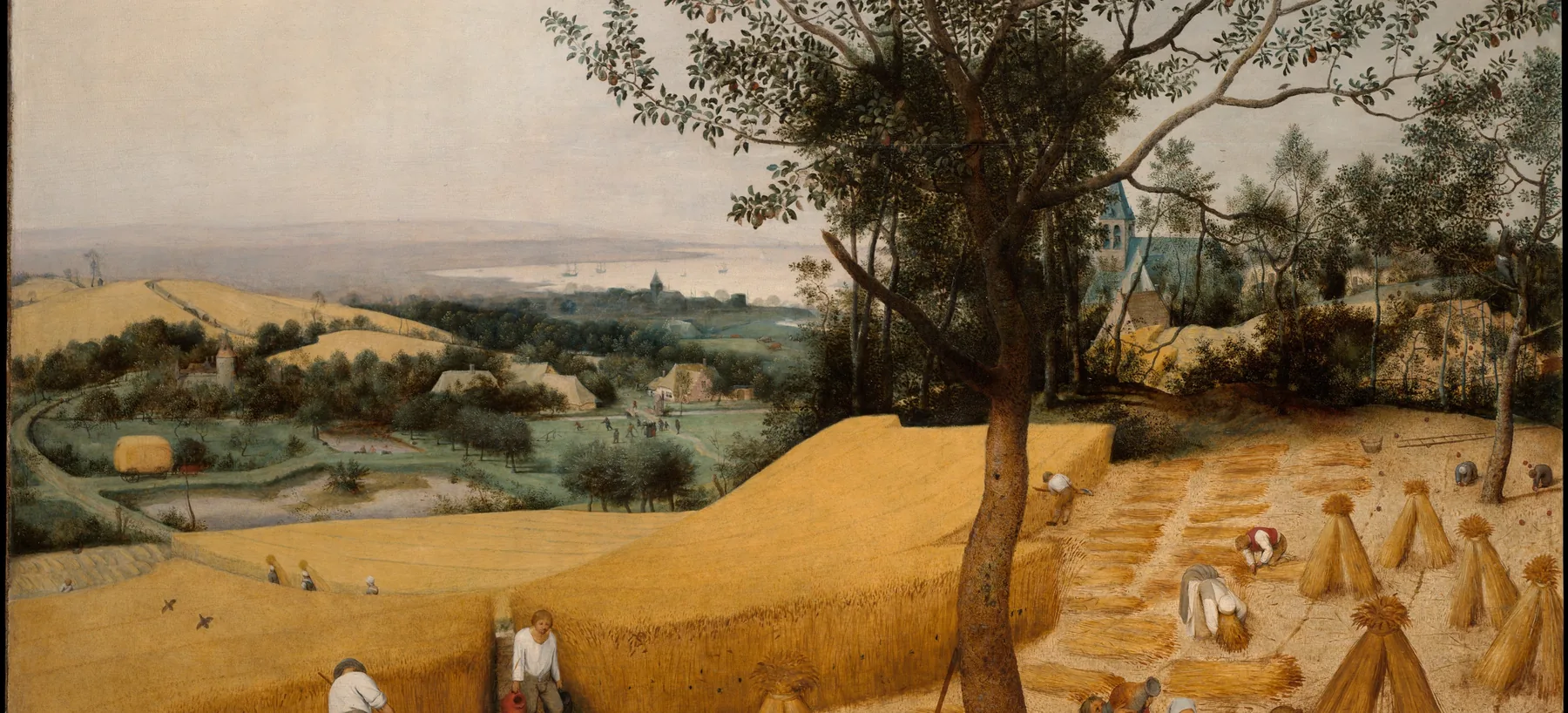
Pieter Bruegel the Elder, The Harvesters, 1565. The Metropolitan Museum of Art, Open Access.
Most people buy the label... You drink the wine.
A price, a score out of a hundred from someone who has a different palate to yours, a region you half recognise and a nice picture on the front. Not one of those actually takes into account and consideration what your palate really want or enjoys. So most people keep buying the same bottles for years, and never find out what their palate could potentially really like.
How it works
- Tell us what you like, in plain words
Two doors. One for people who know their way around a wine list, and one for people who would rather not be tested. The second asks about coffee, chocolate and lemon. Most people who take it turn out to have a stronger palate than they thought.
- We read your palate
A match is how close the typical wine of a place sits to what you told us. It is not really a score and it is not a promise. It's more an assessment of your palate, and then a guided hand towards the terroirs or wines that your palate could enjoy.
- The bottle arrives blind
In a sleeve, with the ideal storage conditions, ideal serving temperature and two things that could go well with it. To try and be objective, and for the fun of it, enjoy the wine first. Then peel. The reveal will give you the real label and where possible, tells you the village, the soil under the vines, the weather that year, and what the grower says in their own words.
The label is marketing. The soil is not.
Time to really pay for what you actually enjoy
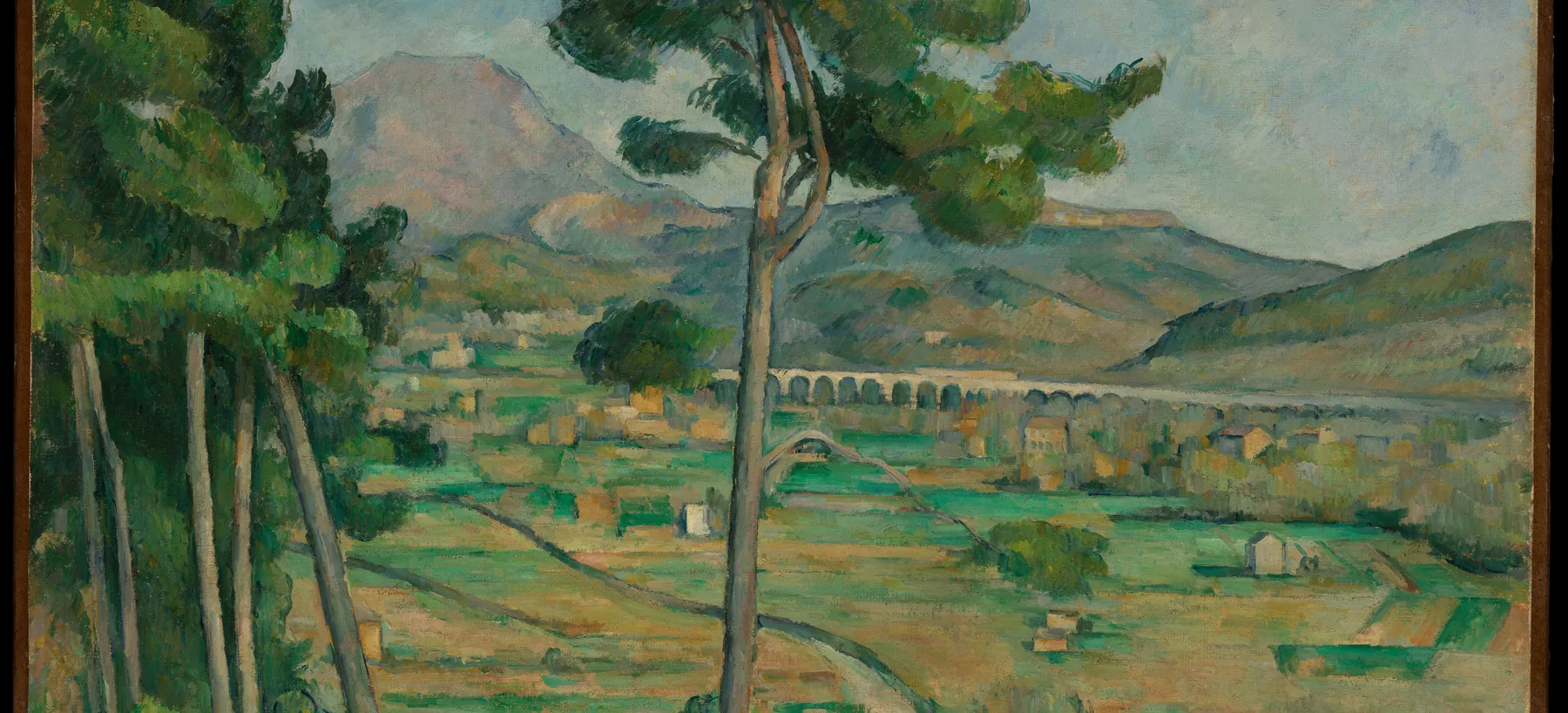
Paul Cézanne, Mont Sainte-Victoire and the Viaduct of the Arc River Valley, 1882 to 1885. The Metropolitan Museum of Art, Open Access.
Why this exists.
A note from the person who started it, rather than a paragraph about him.
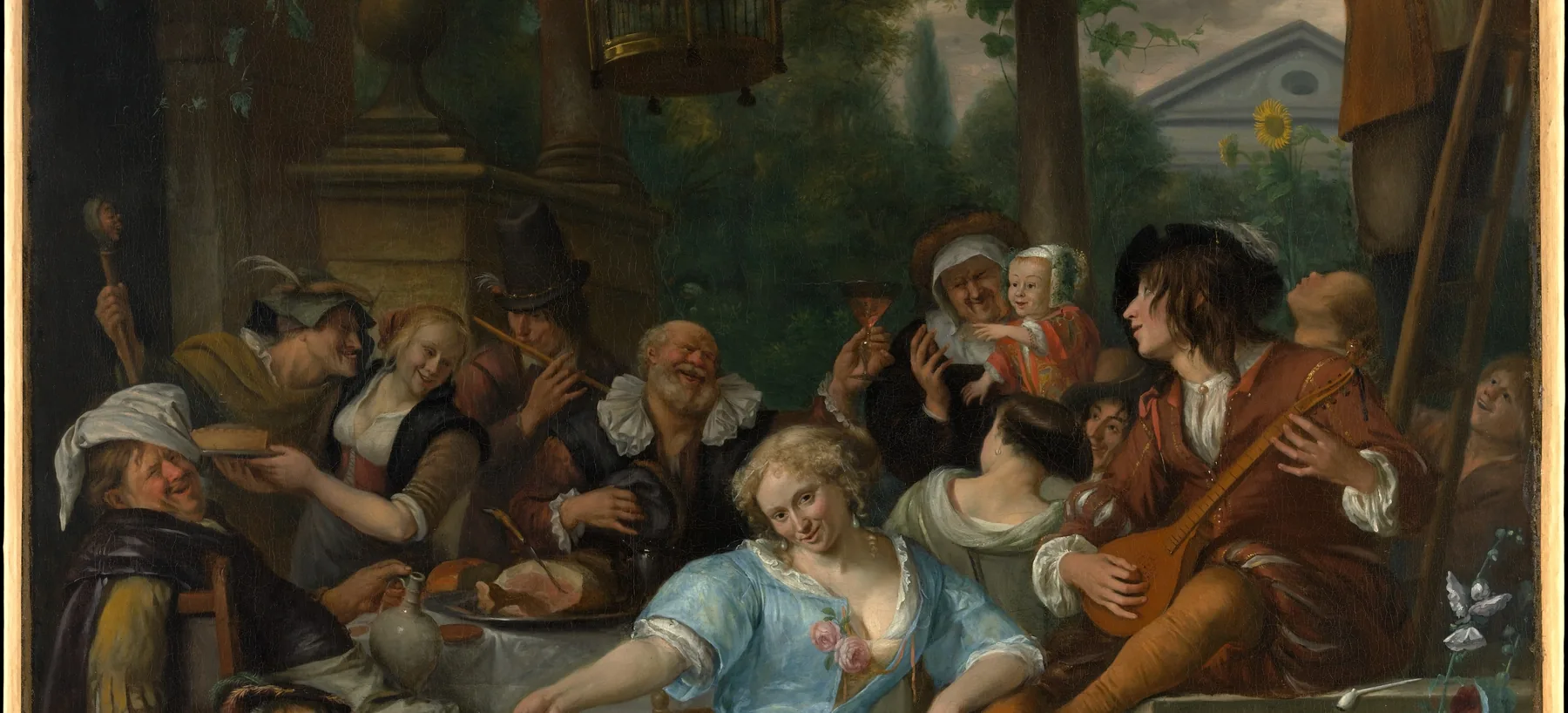
Jan Steen, Merry Company on a Terrace, ca. 1670. The Metropolitan Museum of Art, Open Access.
I am not a big drinker. I do enjoy good wine, with friends and family, around a good meal.
I have supplied and sold a fair amount of wine over the years, and it was always label chosen deals. For a while now I have had an itch to put together a wine club that makes sense and has no snobbery in it. A different way of looking at wine.
What I think is a good wine is not what you think is a good wine, and the other way round. Taste is a very personal thing. So the place to start is finding out what you like, on your own terms. The best wine in the world is the wine that suits your palate and its mood.
That is what this is. You explore your palate, and then we match it to regions, terroirs, growers and, where it applies, to a particular year. If you enjoy wine, whether you know nothing at all, a little, or a great deal, I hope you will join.
Why we're different and objective
The merchant does. They confirm, they charge and they ship. We just facilitate and source the best option based on palate and budget.
A membership buys you 24 hours, not a discount. Members see a find first. They do not see it cheaper, and nobody pays a fee for being on the free tier.
A wine or grape variety you dislike is part of what helps us match you to what you may enjoy. Sometimes we may select a wine that you did not like, we make sure this is put on record and it helps with finetuning the palate. Also to remember: not every Chablis is a good Chablis.
There are no scores, no tasting notes to agree with and nobody to impress. A supermarket bottle you love is a good result. If you like something the trade looks down on, that is information about you, not a fault in you.
There are exactly three places in the product where a paid placement can appear, each is labelled as paid on the page, and members see none of them. There are no placements inside an article, ever.
Free stands still. Paid keeps up.
The quiz and your palate read in full, kept for good. The weekly reads, one open request to the scouts, and every find at the same price a member pays.
Start here9 EUR a month, or 69 a yearfor the first 25 members, and yours for as long as you keep it. 25 places left, then 90.
Your palate stops standing still. Every bottle you record moves the reading, and the regions move with it, so the longer you drink the closer it gets. Finds 24 hours early, three open requests and first look, a cellar and diary that keep every night, and no placements anywhere.
Cancel from inside the app whenever you like. We never see your card: Stripe takes the payment and tells us only that it happened.
Judge first. Then peel.
The label is the most persuasive thing in the room, and it has never once been in the glass.
Read my palate